Castillo Control Module — CCM
Compatible with various makes and models.
Broad Compatibility
Our modules are compatible with engine brands such as Cummins, Caterpillar, and Detroit, as well as International, Kenworth, Peterbilt, Volvo, Freightliner, and Mack trucks, among others, depending on the vehicle’s model, configuration, and communication protocol.
Castillo Control Module
Automotive-Grade Construction
Our modules are built with automotive-grade components qualified to AEC-Q100 and AEC-Q200 standards, delivering quality, durability, and reliability in automotive applications.
Extreme Protection
Comprehensive Circuit Protection
Each module is designed to operate in the demanding electrical environment of a truck, with short-circuit protection and resistance to electrical noise generated by the vehicle’s systems.
Rugged and Durable Construction
Long Service Life
Designed for long service life and reliable operation, our modules can be reused in other compatible trucks when the original vehicle is retired from service.
AUTOMOTIVE QUALITY
HEAVY DUTY
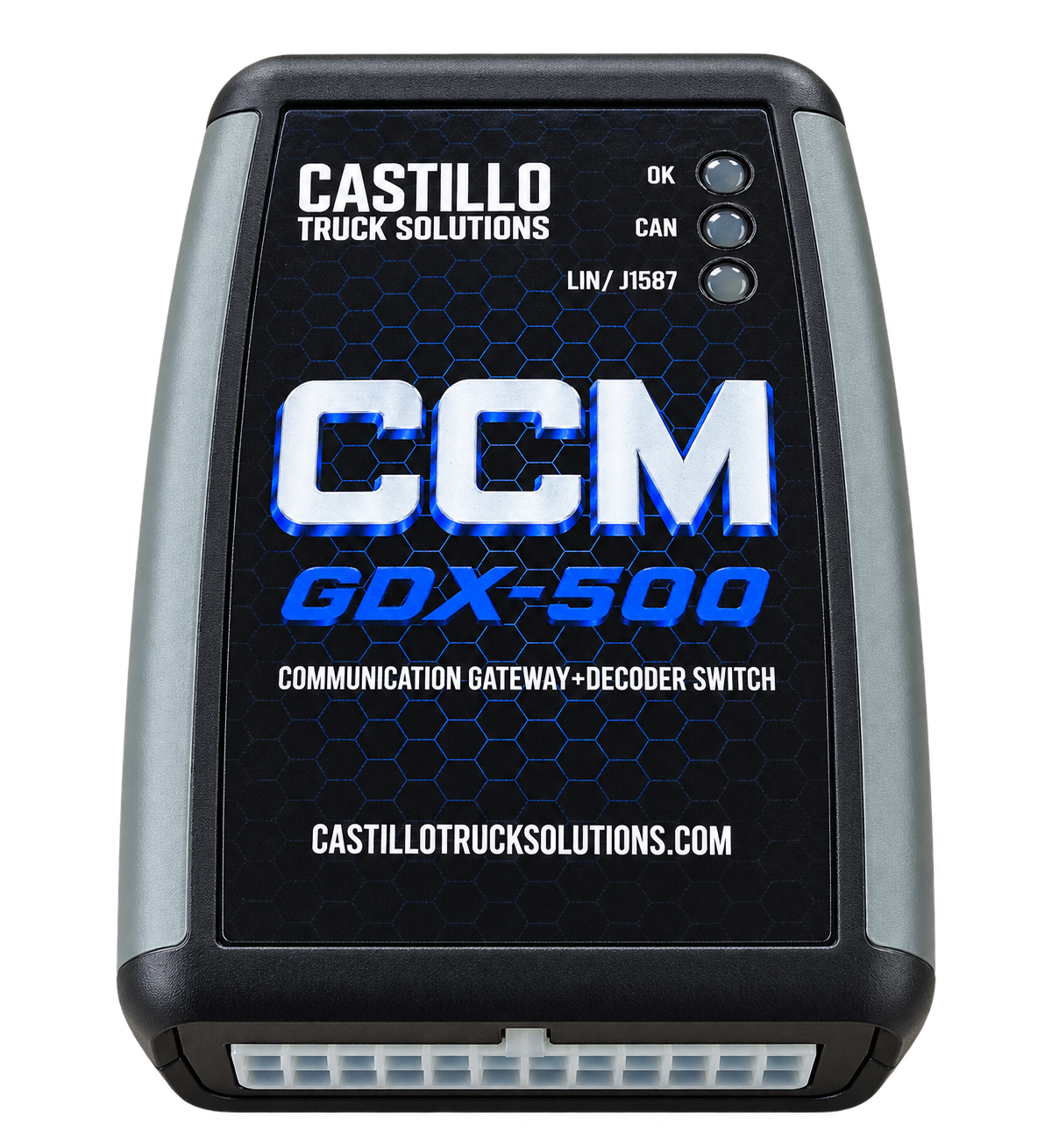
Our modules are designed from the ground up to meet the demands of the automotive environment. Their electronic architecture is engineered to withstand voltage drops, voltage spikes, electrical transients, and interference generated by coils and other truck systems.
They incorporate automotive-grade components qualified to AEC-Q100 and AEC-Q200 standards, along with protection and filtering circuits designed to deliver stable, reliable operation under these conditions.
Wide Variety
For Every Need
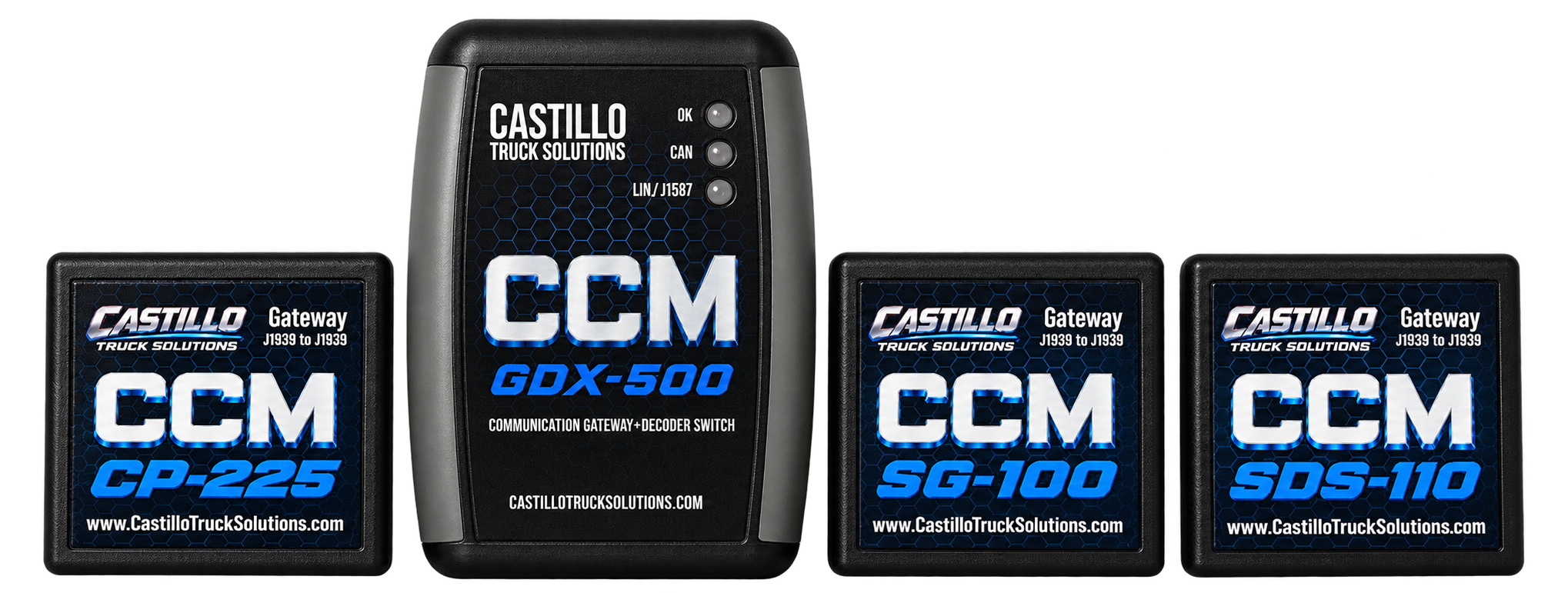
We manufacture a wide range of modules to meet the most specific and demanding requirements of each application, allowing you to make the most of their features and capabilities.
Extreme Protection
Operational Safety
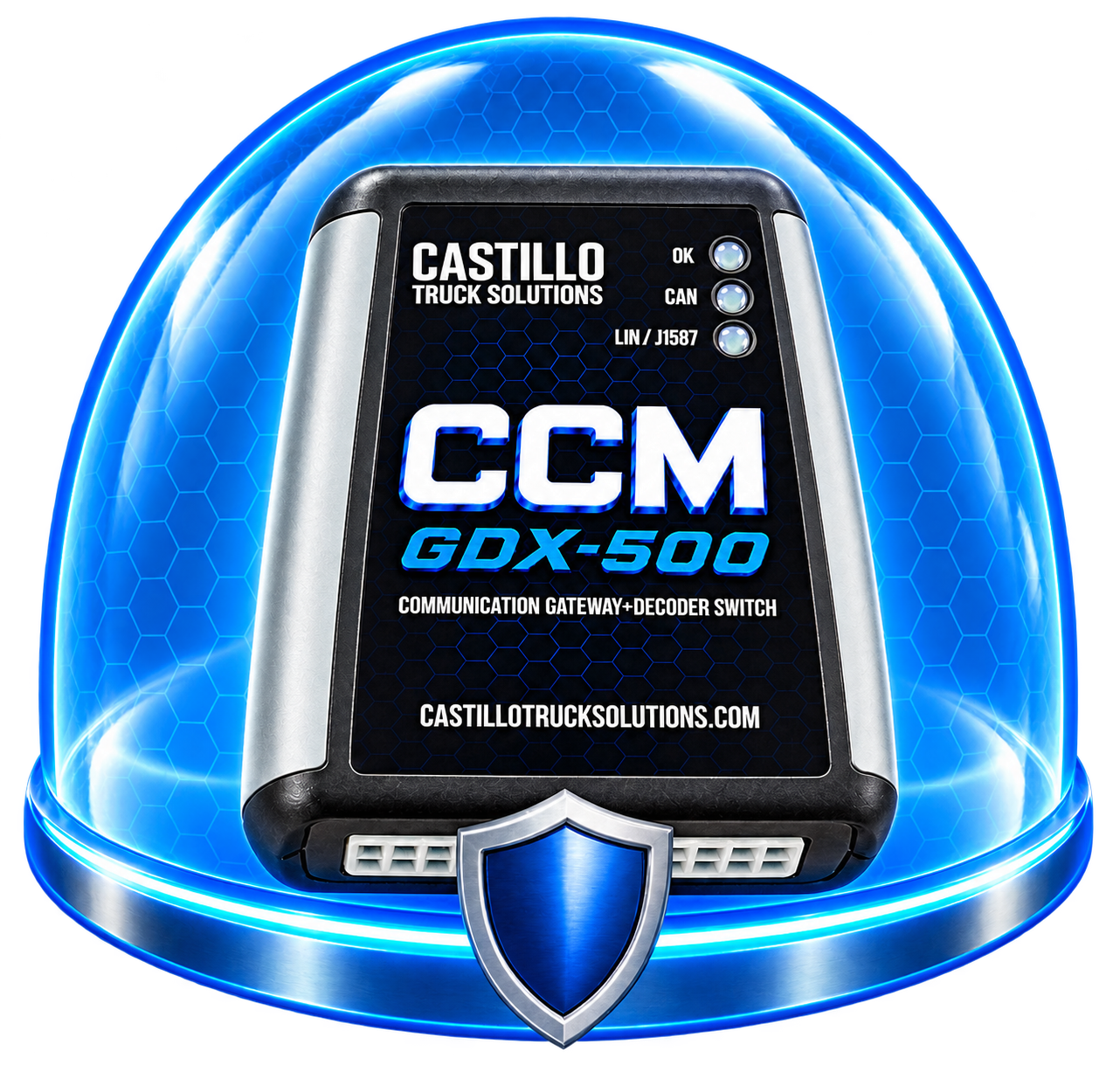
Our modules incorporate protection against short circuits, reverse polarity, current surges, and overloads across their power supply circuits, inputs, and outputs to support stable, reliable operation and long service life.
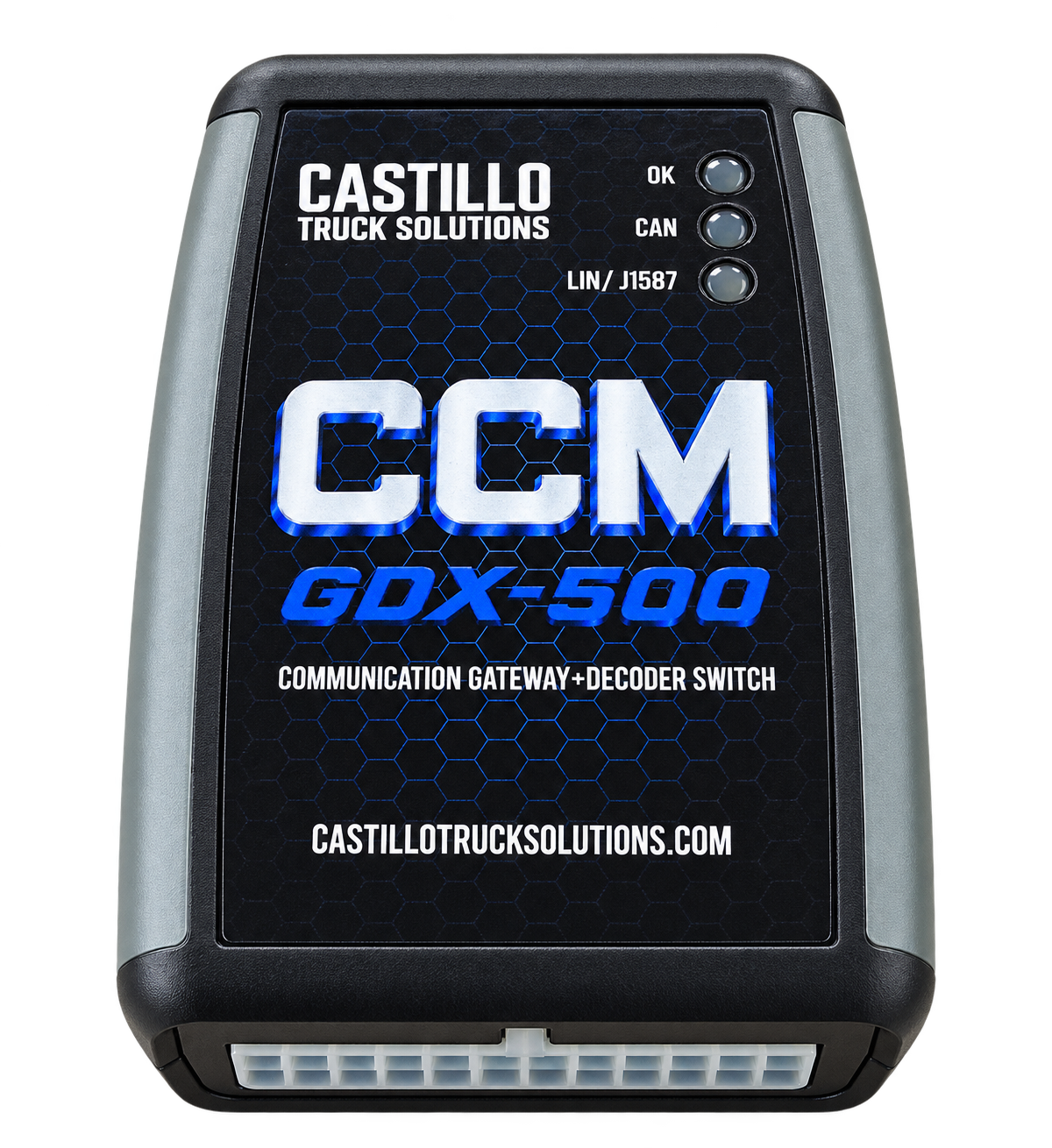
GDX-500 Full Protocols
Decoder + Gateway + Conversor Protocol + LIN
The GDX-500 is designed to provide a comprehensive communication and electronic integration solution for engine swap projects in American trucks. It combines a J1939 gateway interface with a J1587 over J1708 to J1939 converter, enabling communication between the engine and cab systems.
Its configurable features allow additional parameters to be incorporated, while digital inputs and outputs and analog sensor inputs support signal integration. These capabilities make it a versatile solution for integrating the engine, instrument cluster, and cab controls, depending on each vehicle’s compatibility and requirements.
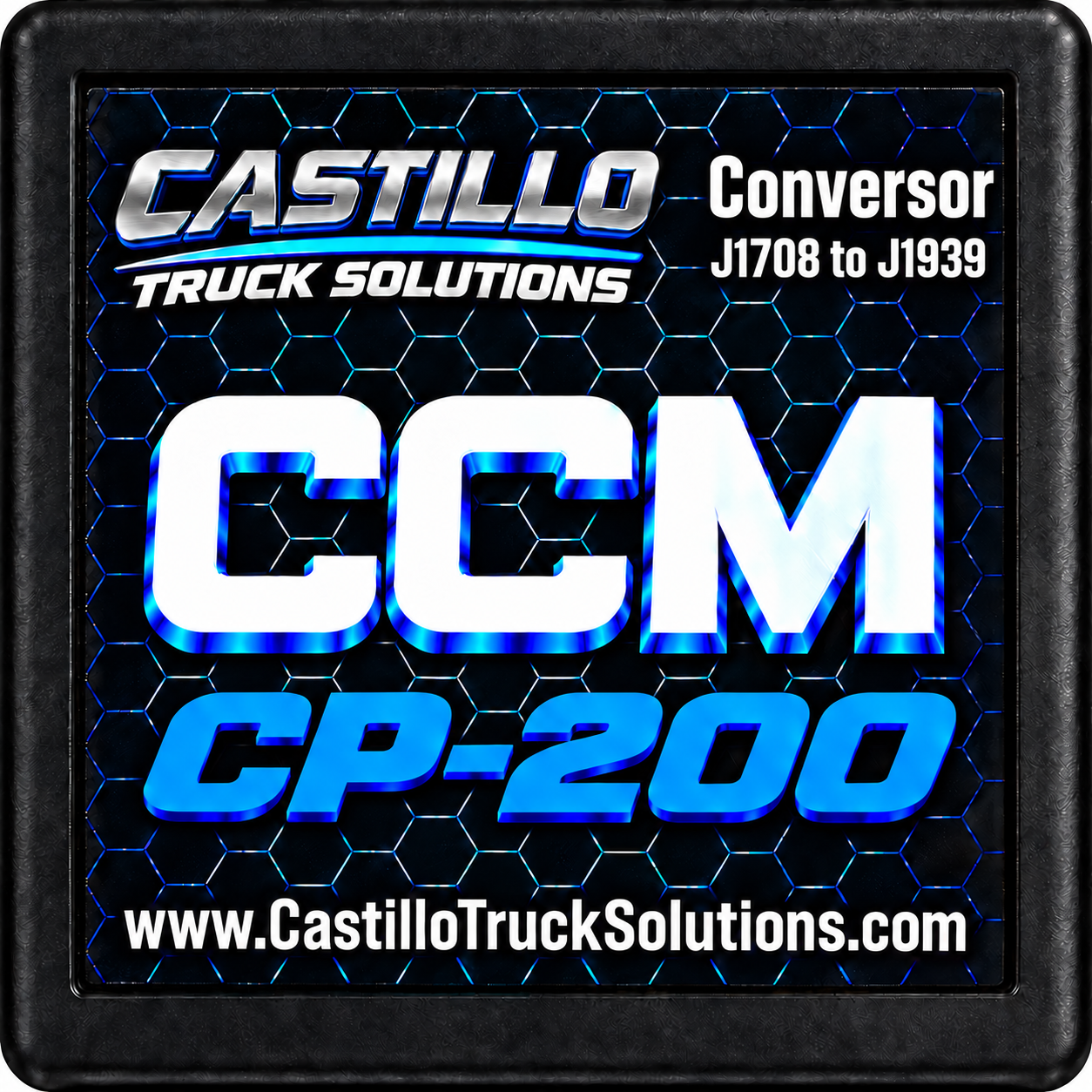
J1587 to J1939 Converter
J1708 to J1939 Converter
This module is specifically designed to convert J1587 data transmitted over a J1708 network to J1939. It serves as an interface between a legacy engine and a modern cab, enabling engine data integration with the instrument cluster and other J1939-compatible systems.
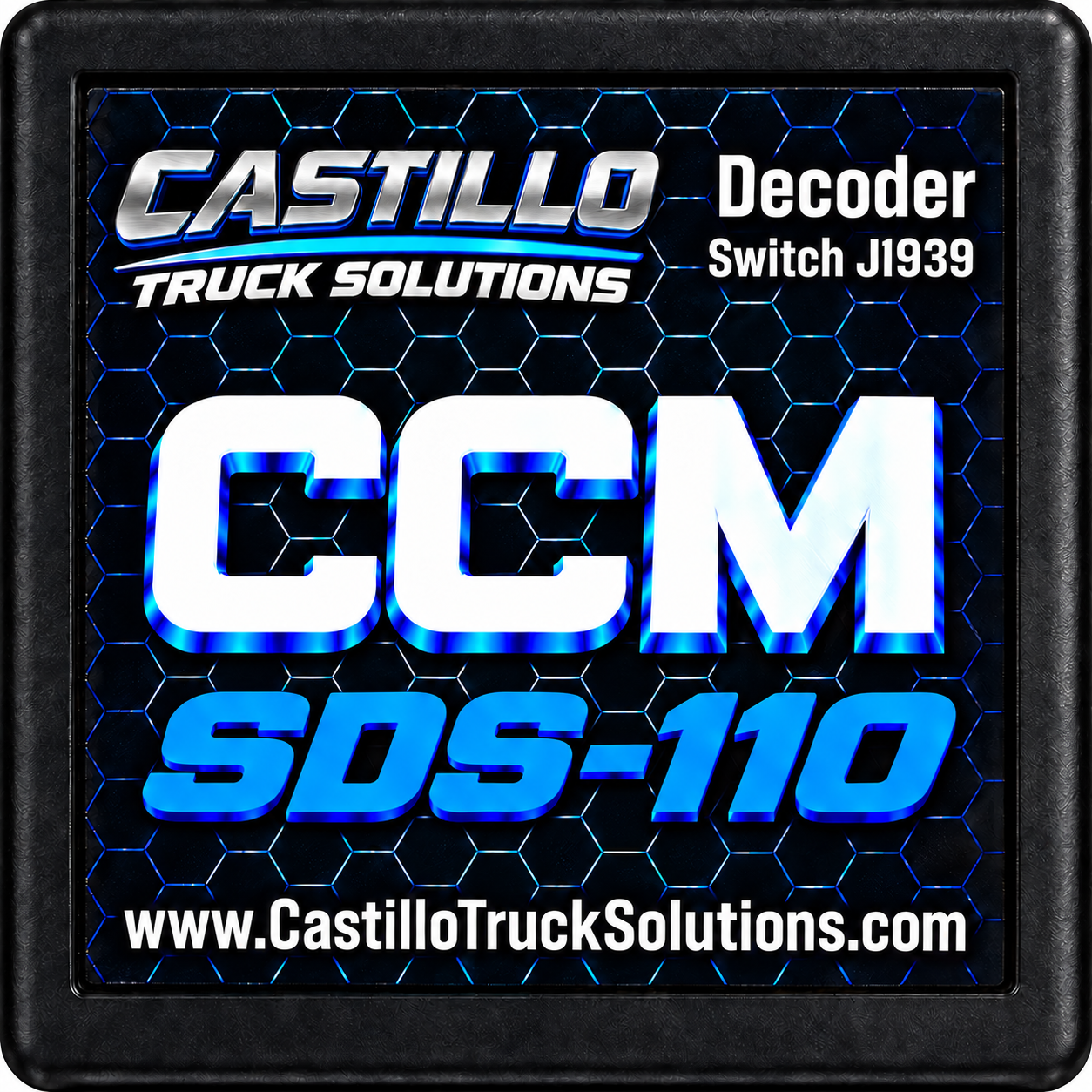
Decoder Switch
J1939 Decoder Switch
This module reads messages from the cab’s J1939 CAN networks and converts control signals into electrical outputs compatible with the engine control module (ECM) inputs. This facilitates integration between the installed engine and the cab while retaining the original steering wheel and dashboard controls for more comfortable and safer driving.
In compatible applications, it can also derive the fan clutch activation signal from the original A/C refrigerant pressure sensor data and decode the engine start request transmitted over J1939 in modern Freightliner Cascadia models.
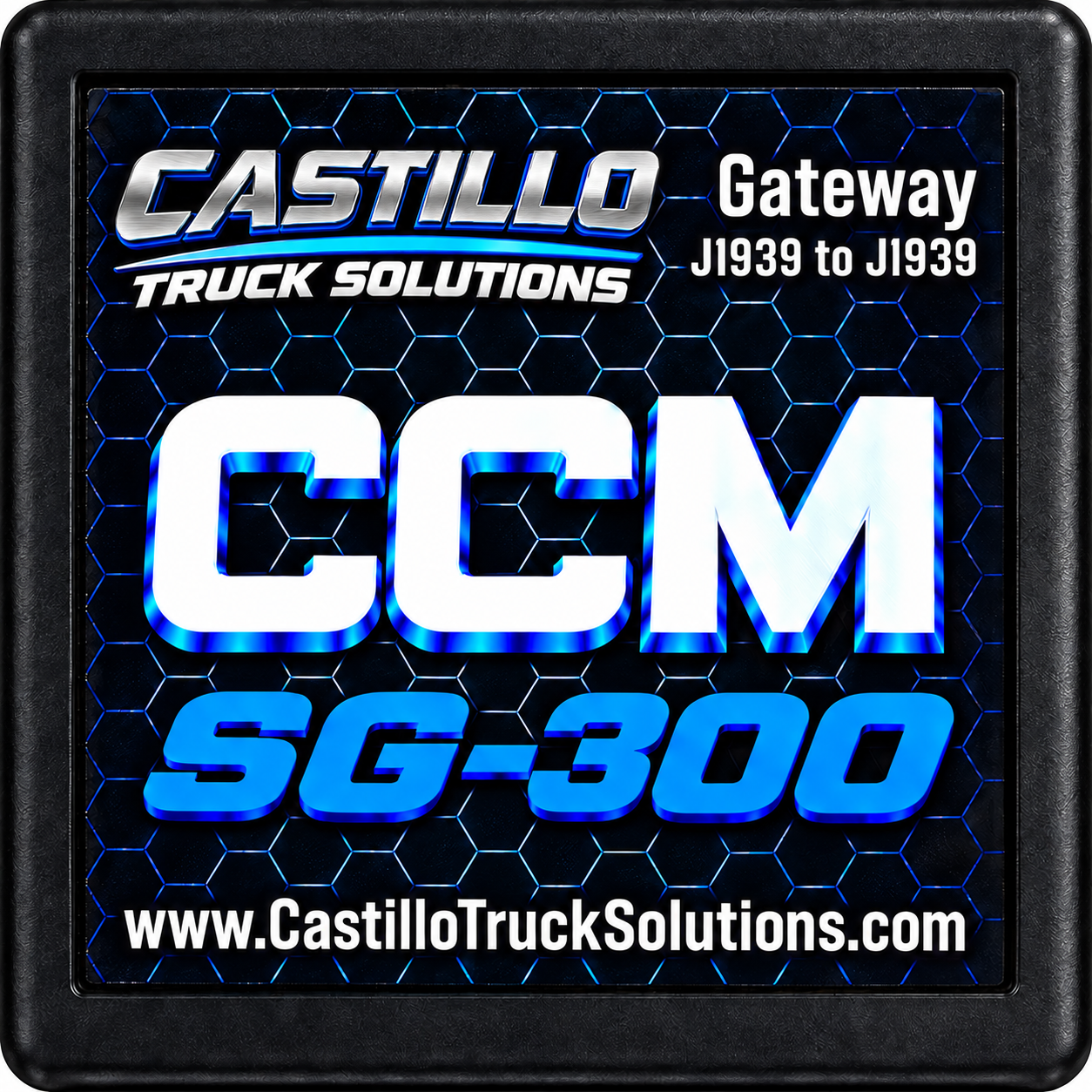
Gateway J1939
J1939 CAN Bus Speed Converter
This module serves as a gateway between J1939 CAN networks operating at different communication speeds, facilitating integration between the engine and cab. For example, it allows an engine transmitting at 250 kbps to communicate with a cab requiring data at 500 kbps by receiving messages from the engine network and retransmitting them at the configured cab network speed.
Input and output speeds can be selected through its configuration application. It also allows additional parameters to be incorporated into the J1939 network, along with coolant level status and Check Engine indicator activation through external signals, among other configurable functions.